
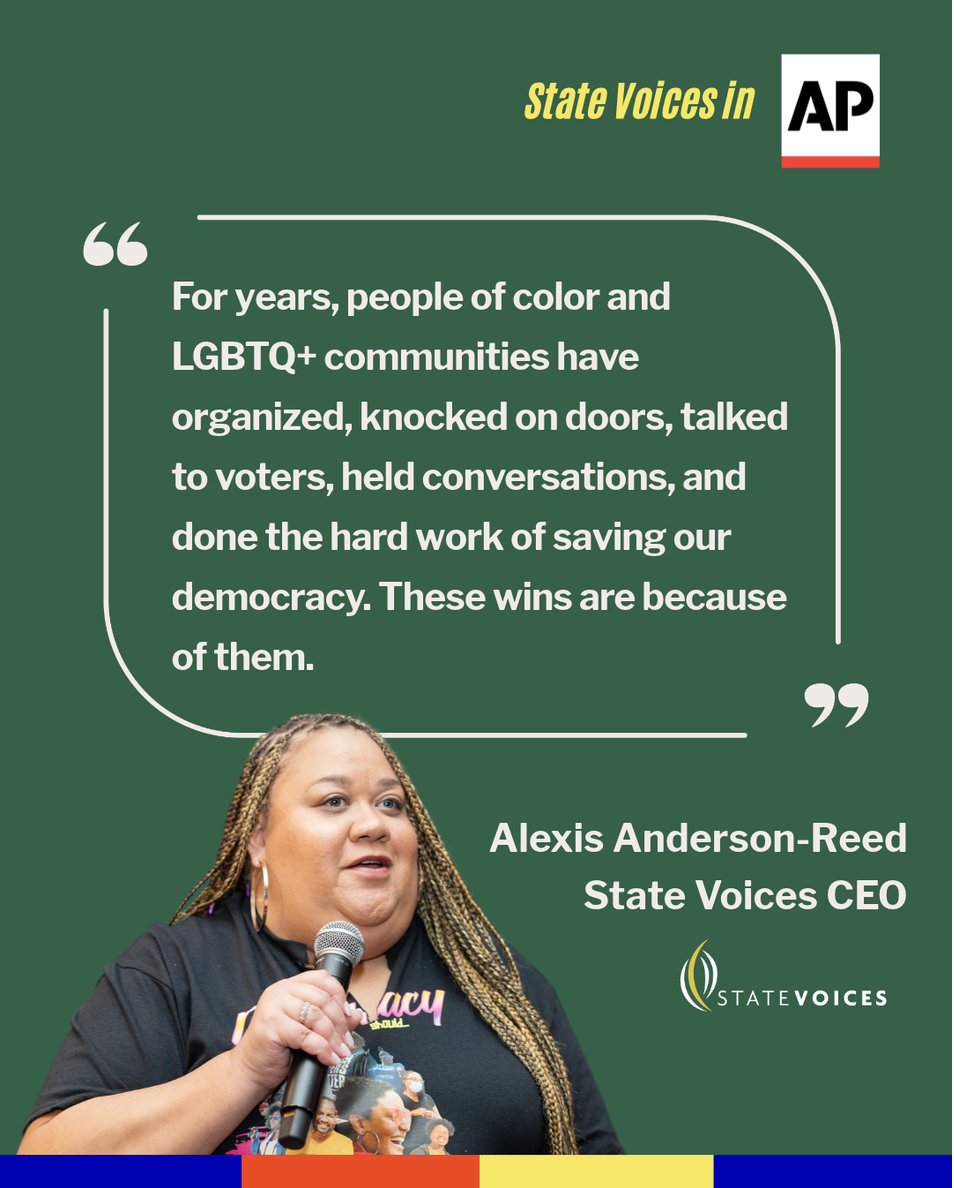
Election Day is over and our communities turned out in force! While some races remain undecided, we know half a million new voters registered. More than 21,000 volunteers signed up to protect the vote. Twenty-two State Tables and more than 1,200 partner organizations that started this work long before October. Election Day is over, and while some pundits are picking apart the data; slicing up demographics, placing credit and blame, and crafting their narrative about what it all means.
While the State Voices Network made over 2 million voter contacts on election day alone, we would like to offer a different story — one written not in the final weeks, but over months and years, across communities, on front porches, in church basements, on college campuses and over the phone. While we saw some historic wins on election night – and many “firsts” for representation – this story is not about who won or lost, but about the people organizing for affordable groceries, safe communities, clean air and water, and the freedom to live with dignity.
All year, the State Voices Network of 22 State Tables and more than 1,200 partner organizations has been organizing in the community to build a future worth fighting for. Our vision is a multiracial democracy where every vote is counted, every voice is heard, and every need is met. We get there by centering and following the leadership of the people too often left out of the conversation. Black, Brown, Indigenous, Asian American and Pacific Islander, and immigrant, working-class families, LGBTQIA+, and young people so we all can thrive.
Record engagement — and the people behind it
Our fight against authoritarianism started long before election day. Almost immediately after the 2024 election, we saw intentional efforts to separate and harm communities, and unprecedented efforts to consolidate power and shut people out. From ICE raids, to restrictions on who can vote, and unprecedented mid-cycle redistricting efforts, the administration fueled a climate of confusion, misinformation, and fear. But their efforts to erode public confidence in the electoral process in order to preserve power failed.
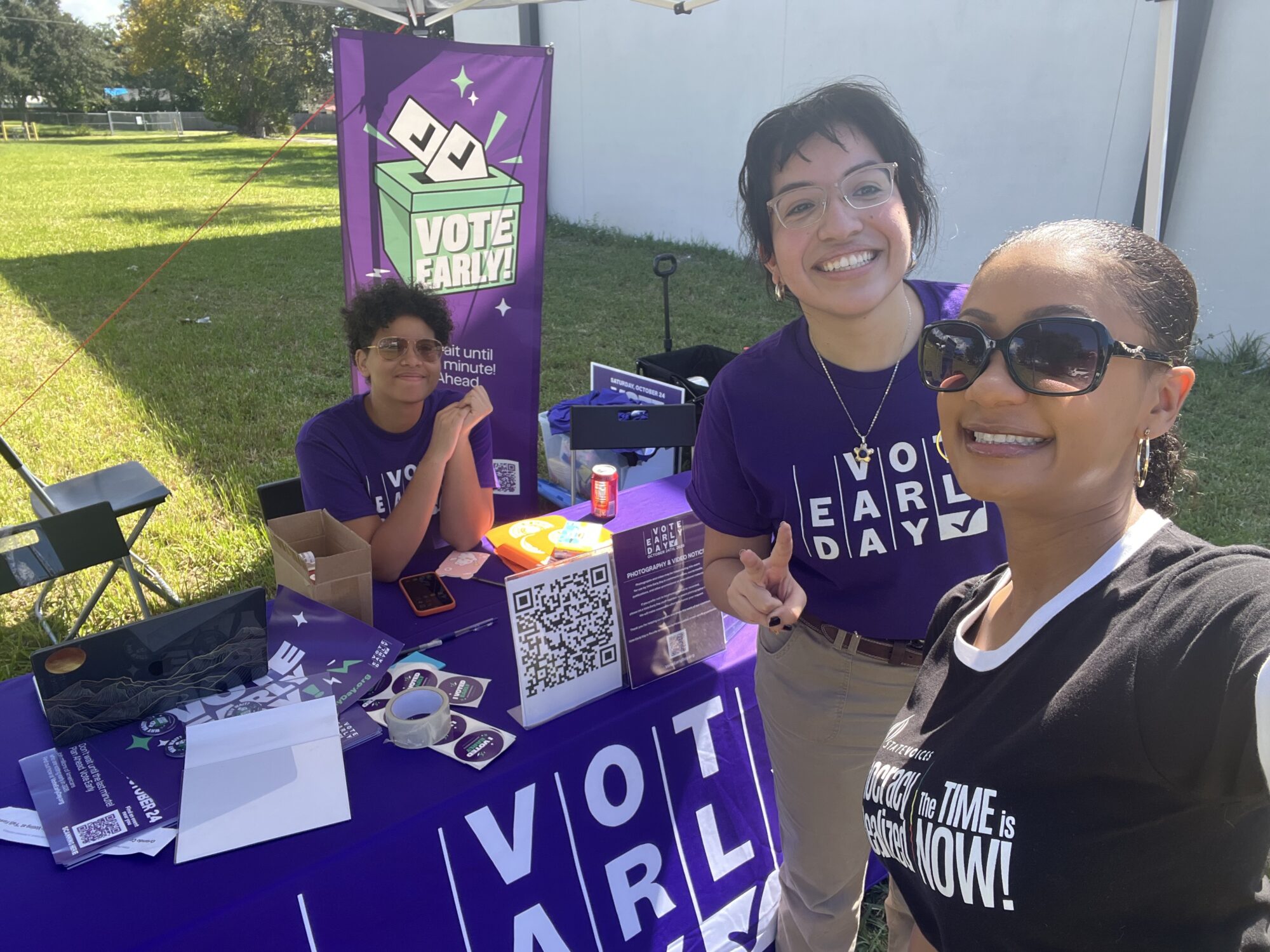
These efforts were deeply unpopular because most of us can agree on one simple truth – in our Democracy, every eligible voter should be able to cast a ballot and have that ballot counted. And this year, our communities turned out! For example, ProGeorgia and its state partners held more than 200 early voting events in their early voting process. More than 60 million ballots were cast before Election Day — roughly 15 million more early votes than in the 2022 midterms. Across the country, voters made their voices heard at rates this country has rarely seen in a midterm. This is cause for pride and celebration.
But voters don’t just show up. They show up because someone knocked on their doors months ago. Someone helped them register on time. Someone reminded a shift worker about early voting hours, translated a mailer into their language, and answered the hotline to help them track down a missing ballot. In Nebraska alone, the voter mobilization coalitions knocked 40,000+ doors, held 20,000+ voter conversations, and registered 2,700+ voters. Change starts from the ground up.
That’s where our Network shines. During this last cycle State Voices, our State Tables, and their 1,200 partners organized and mobilized early and often. —as of November 4th:
- Over 500,000 new voters registered
- 146.9 million outreach attempts
- 123.7 million voter contacts
- 18.5 million unique voters contacted
- 4.98 million quality engagements – the deeper conversations that move people from information to action
- 300+ trainings held across states
- More than 21,000 volunteers signed up to protect the vote — trained poll observers and monitors, field volunteers, hotline responders
- $2.71 million in regrants moved to our tables so they could prepare before the pressure hit
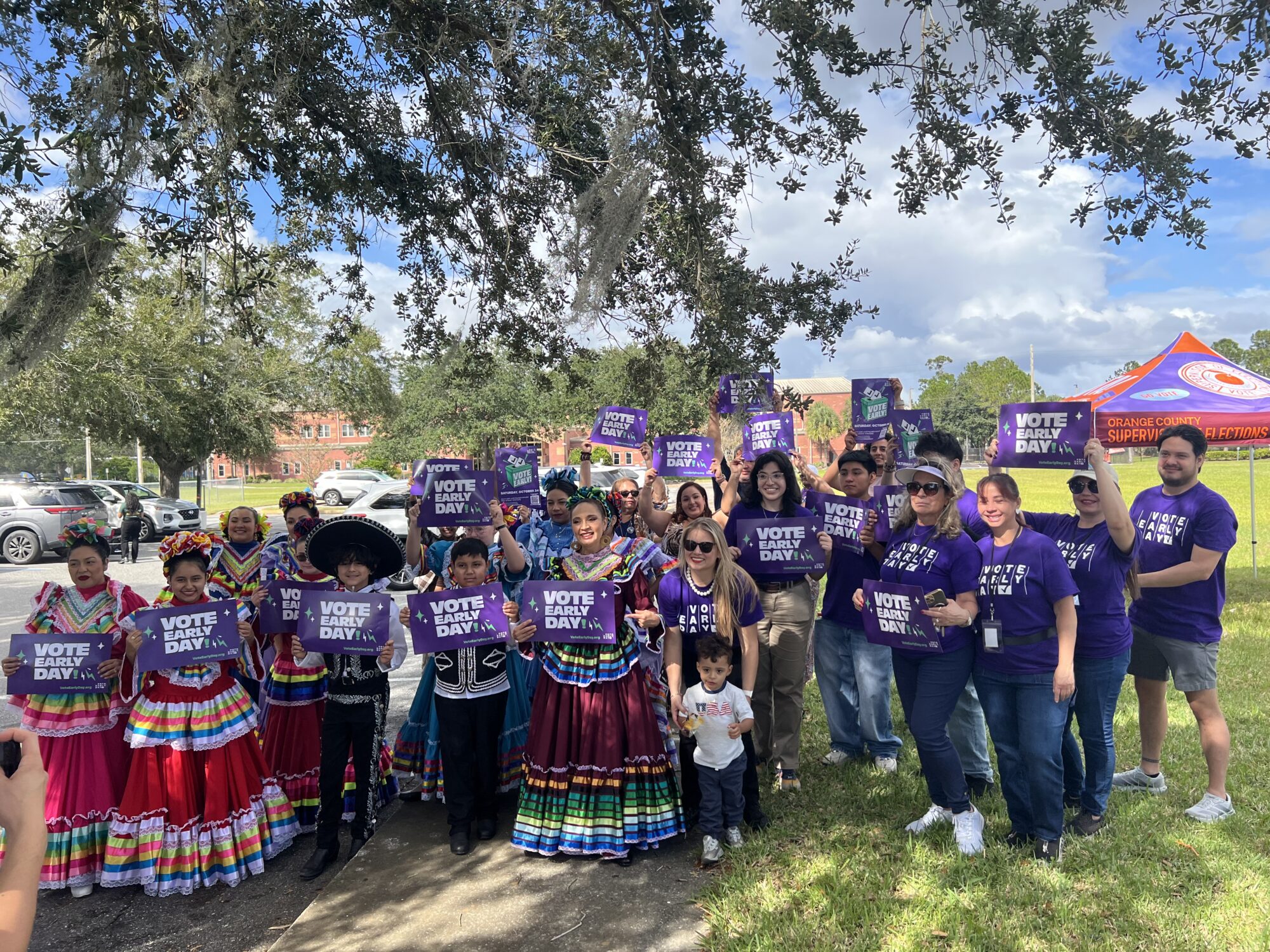
These are preliminary numbers, and we look forward to finalizing the data and sharing more stories from the states in our post-election report coming later this year. Until then, we remember that every one of these numbers is a person: a volunteer at a door, a trusted voice on a phone call, a neighbor passing along a reminder.
Record turnout doesn’t happen on its own — it happens because State Voices and our State Tables have the year-round infrastructure in place and prepared diligently for this moment. That infrastructure is built on people.
Investing in people, leaders, and organizations
State Voices exists to put technology, tools, training, and resources into the hands of the organizers and organizations closest to their communities. This cycle, that meant data and technology trainings that helped State Tables and partners reach voters with the right information at the right time; shared tools, from voter file access to texting and phone platforms, that no small community organization could afford on its own; and regrants that moved money to the ground months before Election Day, not days.
- The tools we offer enabled our network to have 1.6 million door conversations in states like New Mexico, Michigan, and North Carolina, as well as 18 million phone calls in Kansas, Louisiana, Nevada, and throughout most of the country.
- 25 new partners used our tools to run programs in 30 states, 9 of which were running voter engagement programming in Texas.
- Our team fielded over 300 data support requests and provided individual support to over 75 folks who attended our regular data office hours.
Standing up for voters, fair maps, and Black political power
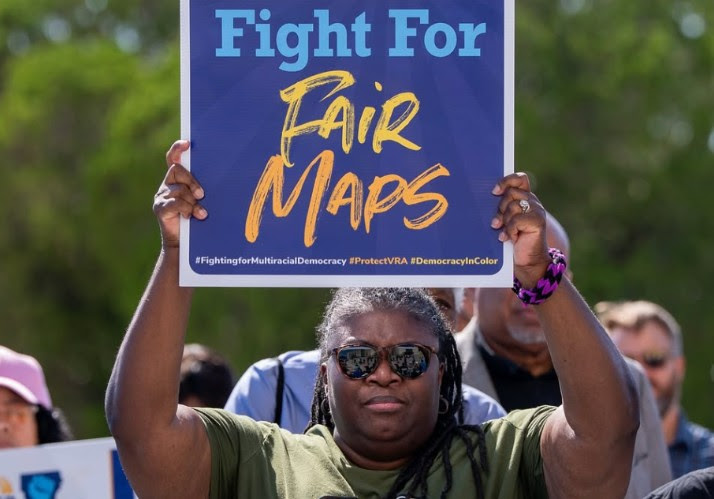
Nowhere was that preparation tested more than in the maps of the South. Immediately following the Supreme Court’s Louisiana v. Callais decision gutting the Voting Rights Act, we saw unprecedented efforts to redraw district maps to dilute Black voting power. State Tables in the South – Louisiana, Tennessee, Alabama, Georgia, and Kentucky responded with a strong and unified strategy to fight back.
Across the network, State Tables registered over half a million new voters. This matters in an election cycle when Black voters faced deliberate efforts to diminish their voice, as mid-cycle redistricting sought to undo generational protections for Black representation. But as Ashley Shelton, President and CEO of the Power Coalition for Equity and Justice, said to our team, “the South definitely has something to say.” Black voters spoke up with early voting numbers rivaling the turnout in the historic 2008 presidential election. As a leader on the No Kings Vote Early steering committee, we helped drive a 51% surge in early voting in ZIP codes hosting October 17 No Kings events, including a 90% increase among voters of color.
State Tables Voices and our partners also trained thousands of election protection volunteers, led national and state election protection coalitions, staffed hotlines, and resolved problems at the polls — and we’ll stay with it until every eligible ballot is counted. For example, Michigan Voices positioned monitors inside polling locations to assist voters at 300 sites. Every voter deserves a ballot that counts, no matter who they vote for.
Why we do it — and why we’ll keep doing it
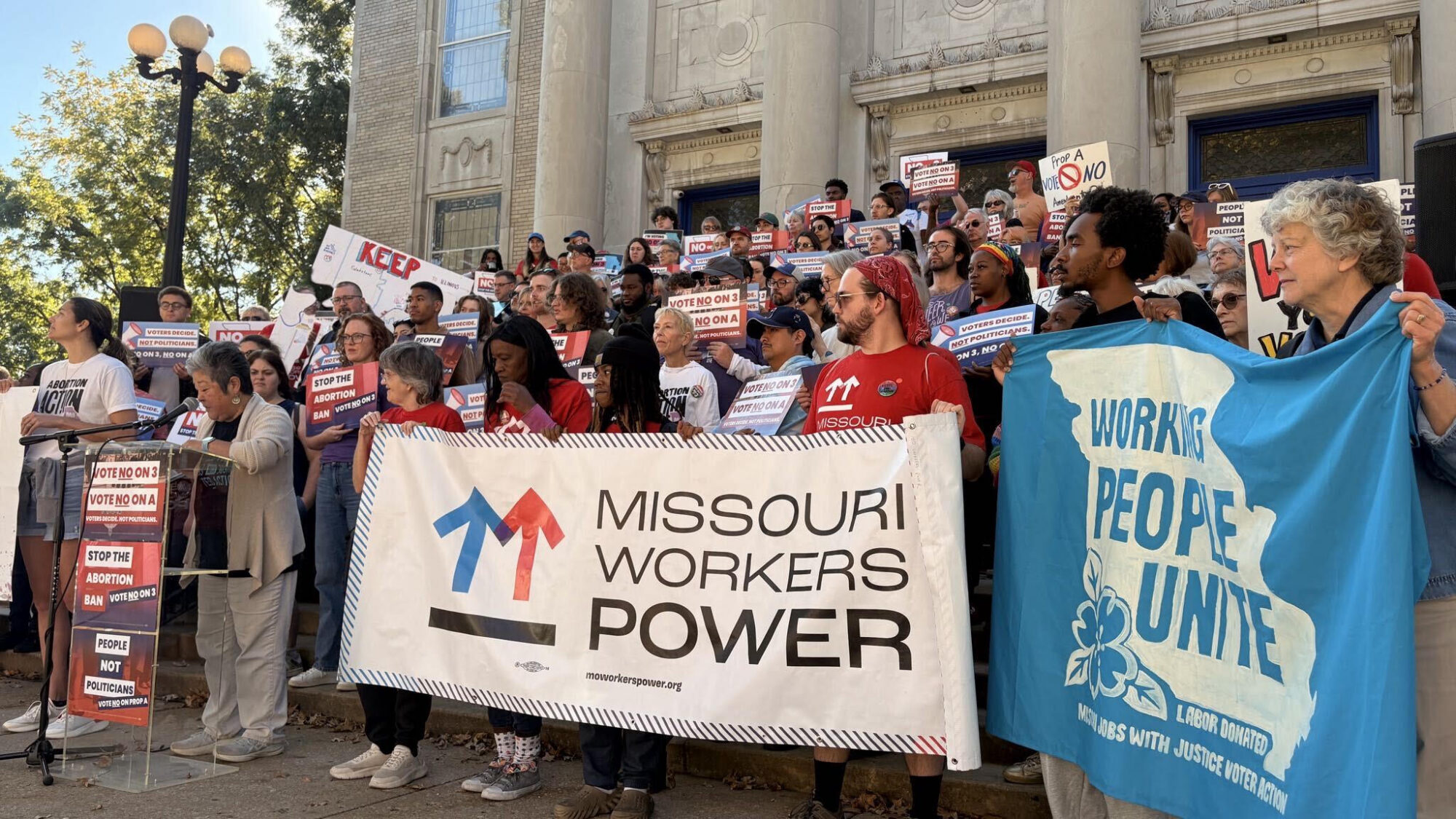
We are very proud of all of our Election Day work – and the midterm was just one critical moment in a year of organizing for a democracy that works for all of us. We start long before Election Day, and we stay long after. Candidates and crises come and go, but people power is forever.
We register, educate, and excite voters — and we don’t disappear after they vote. We train organizers year-round–more than 60,000 this year–because leadership in a community can’t be hired in October. We help people stay engaged with the school board, the city council, and the state legislature — the offices that shape daily life the most and get the least attention. That’s the difference between parachuting in and being part of a community. Too many people — particularly in Black, Brown, Indigenous, immigrant, and low-income communities, and young people casting their first ballots — only hear from politicians and parties when someone wants their vote. The organizers and volunteers working with our State Tables and partners are rooted in the neighborhoods they organize, and they’ll still be there next week, next month, and next year. Because promises made on the campaign trail must become promises kept in office.
The day after the election isn’t an ending. It’s when the accountability work begins — tracking what elected officials actually do, making sure the communities who voted them in know about it, and making sure they have a say in what comes next. It’s also when election protection continues, from helping voters cure ballots to advocating for pro-voter policies.
Following the money
This cycle saw record-breaking $11.6 billion spent on ads, 70% of it from millionaire donors spending on TV ads, digital commercials, and candidate support. This was an egregious representation of corporate interests seeking to influence voters, even as those same voters struggle to buy gas, groceries, and healthcare.
Groups like ours faced a very different resource reality. Compared with previous cycles, organizers working in their communities every day of the year received significantly less investment. We need to fund more than ads and mailers if we want to build a durable, multiracial democracy where all people are free and live with dignity. Imagine what our communities could build if we put that kind of money and energy into year-round organizing — moving money to the ground, where change starts.
What comes next
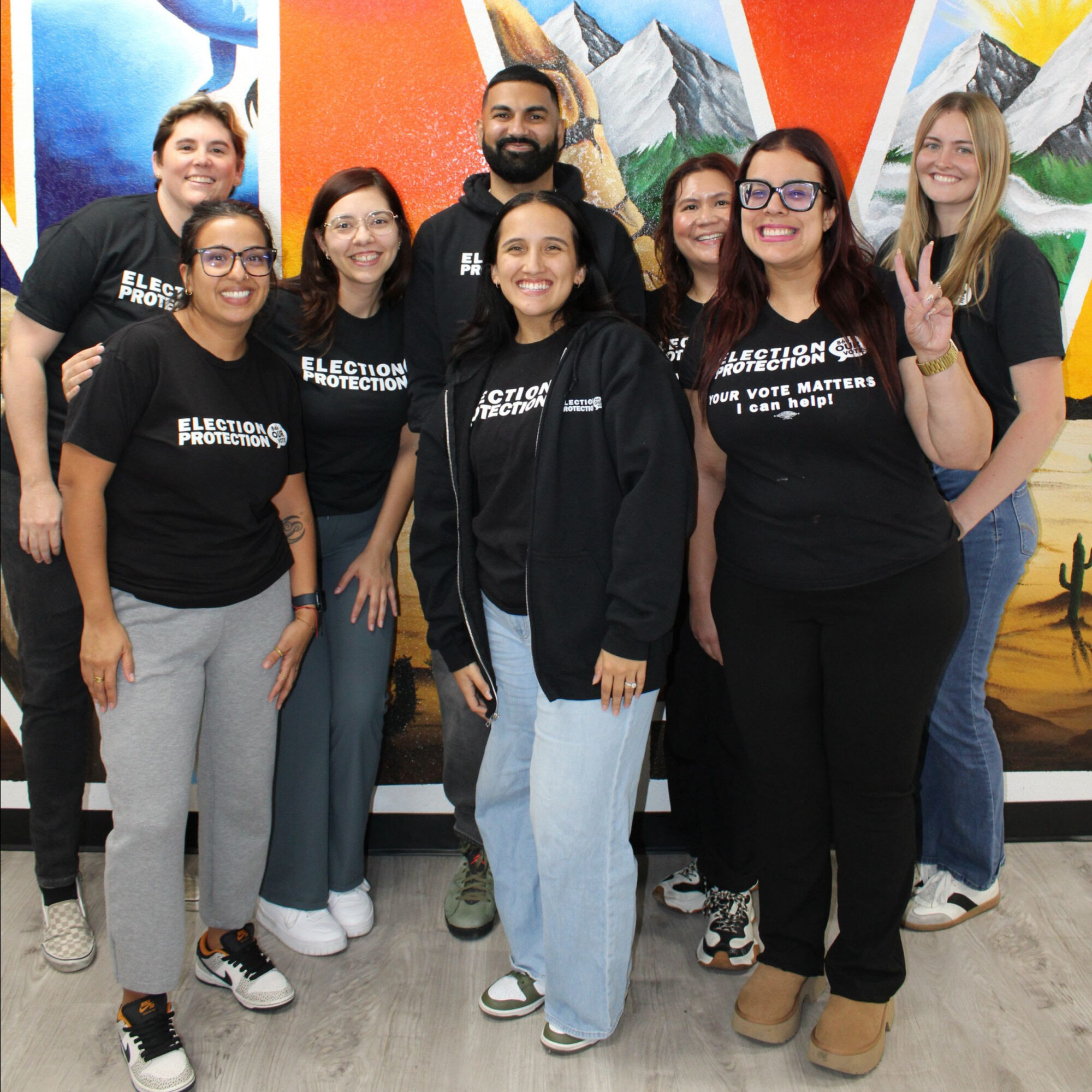
The numbers above are just a snapshot. Behind each of them are stories: voters registering for the first time, the college students who danced and sang their way to the polls in Georgia, and Silver State Voices growing its volunteer network to cover all the polling places in its two most populous counties. In the coming weeks, we’ll release a full report with those stories from states across our network — what we saw, what voters told us, what worked, and what it will take to keep this momentum going.
Election Day is a reflection of our year-round work to build power with people who are too often ignored and even vilified by those who would rather hoard power than face accountability. It is a moment for our communities to flex their power, and that power is only as strong as our work to build resilient, resourceful communities who know their rights and fight for what’s right.
Ultimately, our mission is not simply to engage voters. It’s to build a multiracial democracy where every vote is counted, every voice is heard, and every need is met. A future worth fighting for, where Black, Brown, Indigenous, AAPI, immigrant, and working-class people, women and young people lead us forward, and we all can thrive.
Sign up to our email newsletter to receive our 2026 Post-Election Report and more updates from State Voices:
"*" indicates required fields
Categories: Voting Access